Project Overview
-
Title: Scale Museum
-
Genre: 2D side-scrolling puzzle / platformer
-
Tone: Light-hearted, adventurous
-
Platform: PC (keyboard)
-
A 2D side-scrolling puzzle game where the player controls a magic-using little bat that can instantly shrink/enlarge itself and certain objects. By using size changes to create physical differences and alter environmental mechanisms, the bat must traverse various museum galleries before sunrise, just to catch a glimpse of the legendary giant whale.

Player Experience Problem
1. Player guidance is unclear; at the very start of the game, players receive no button prompts and are given no indication of how to activate mechanisms.
2. Certain map designs require players to suddenly and rapidly change their character size—a mechanic that was not introduced in any previous levels.
3. There are no mid-level checkpoints; if a player dies, they must restart the entire game from the beginning.


Design Change
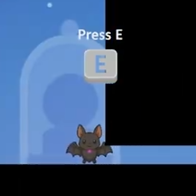
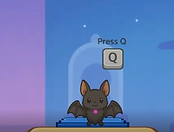
In this iteration, I improved the player guidance and level flow. I added UI button prompts that appear when the player approaches interactive mechanisms, making it clearer when and how the player can interact with the environment.
I also added level checkpoints so players can restart from key progress points instead of replaying the entire level after failure. In addition, I adjusted the map to include multiple route choices, allowing players to choose different paths for stealth, combat, or exploration.

How It Addressed Player Needs
These changes helped players understand the level more clearly and reduced unnecessary confusion. The UI prompts made interactions easier to recognize, checkpoints lowered frustration after failure, and multiple route choices gave players more control over how they approached combat, and exploration.
Reflection
I learned that players respond best when the level gives them clear feedback and a sense of control. They were more comfortable exploring when interactions were clearly signaled, and they felt less frustrated when failure did not force them to repeat too much progress. I also found that players enjoyed having route choices, because it made the level feel more flexible and supported different play styles.
